Located at the entrance to the Hérault Gorges, Saint-Jean-de-Fos is a village whose history is inseparable from the land, through both its agriculture and its centuries-old craftsmanship.
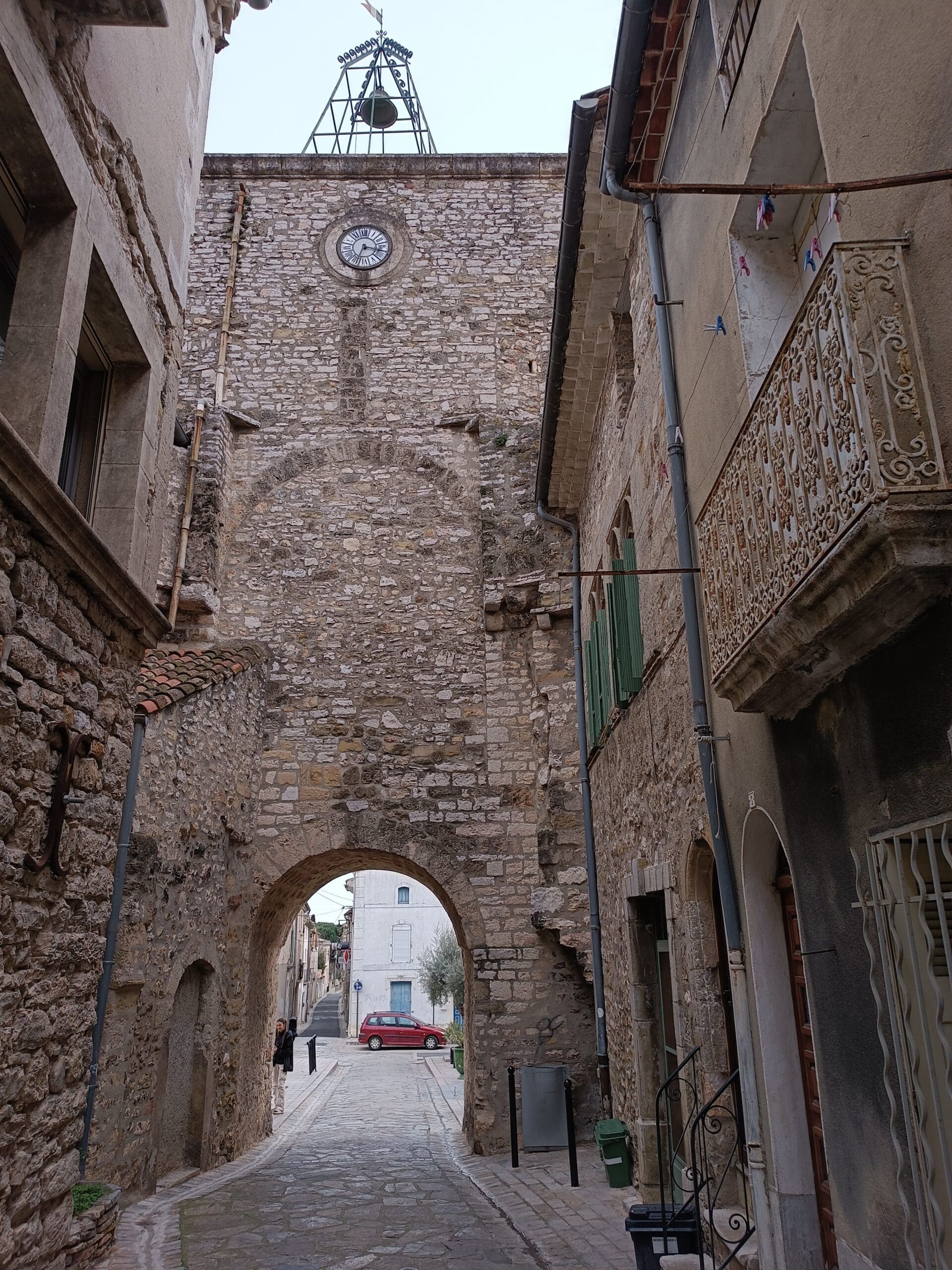
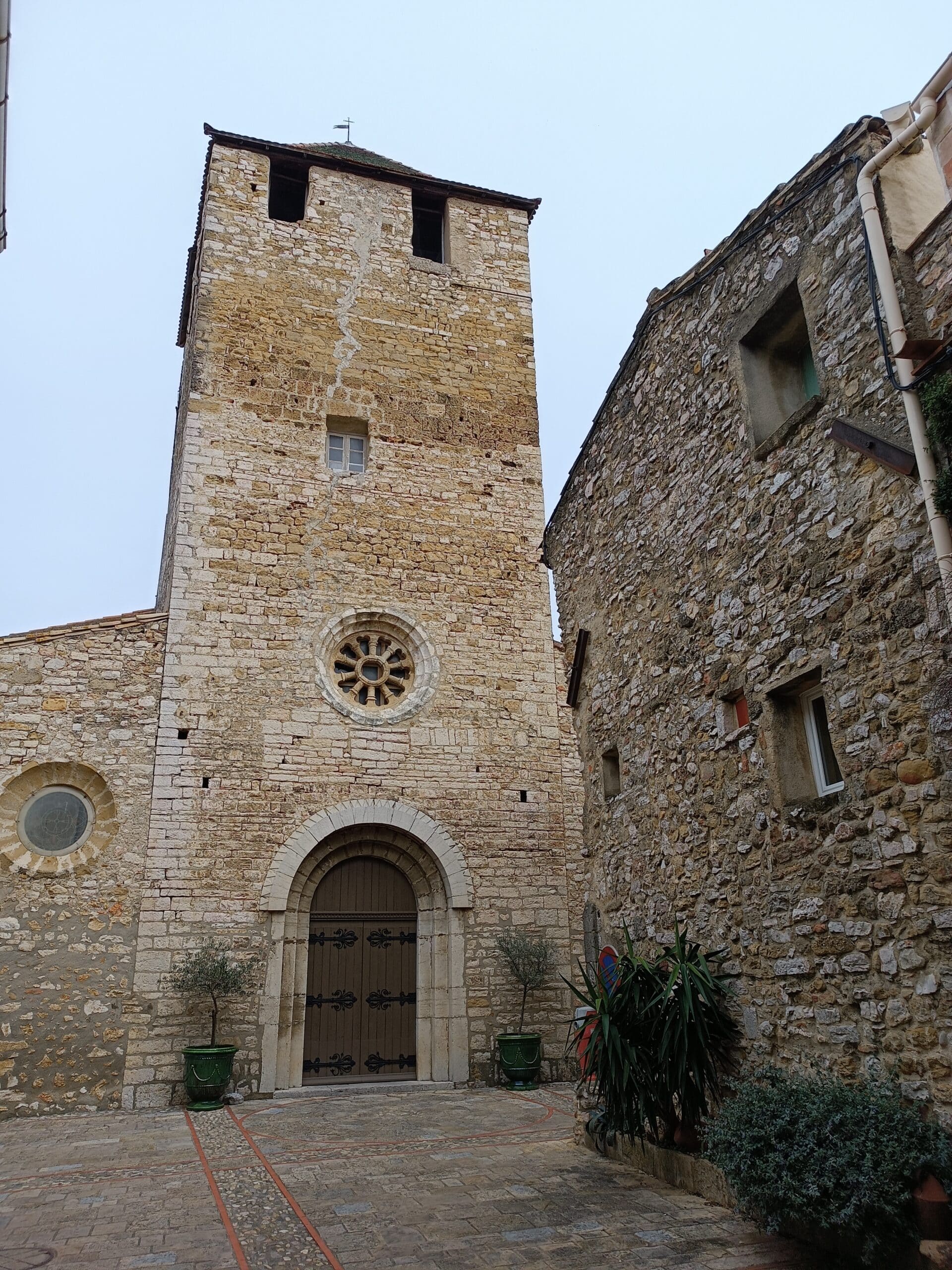
The village is first mentioned in 804 under the name Litenis. Its development is closely linked to the Abbey of Aniane and that of Saint-Guilhem-le-Désert. The historic heart has preserved its medieval circular layout (circulade): houses wrap around the Romanesque Church of Saint John the Baptist (12th century), forming a natural protective rampart with narrow, winding lanes.
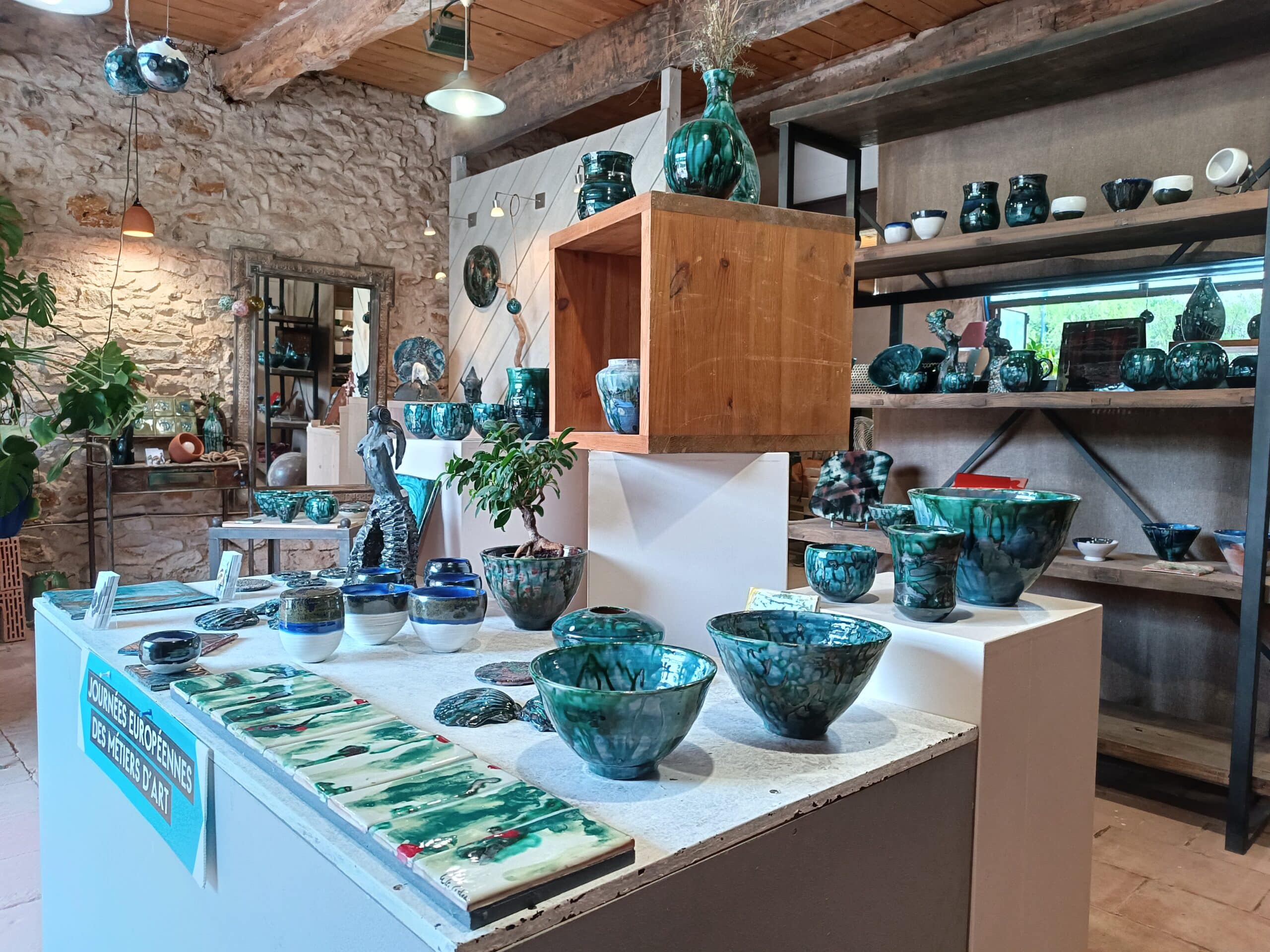
Its pottery tradition is what made the village famous through the centuries. Originally, residents made terracotta jars, known as “cozoles” or “orjolles”, to store the plain’s massive olive oil production. The potters were also nicknamed the “orjolliers”. The activity intensified from the 14th century and reached its peak in the 19th century. Saint-Jean-de-Fos then became one of the most important pottery centres in Languedoc, renowned for its glazed pottery in emblematic colours: copper green, honey yellow and straw. Industrialisation in the early 20th century almost made the craft disappear. It wasn’t until the 1980s that a new generation of artisans revived the activity. Today, the village holds the “Ville et Métiers d’Art” label.
Beyond clay, the history of Saint-Jean-de-Fos is shaped by olive growing (some trees are thousands of years old) and vineyards, which still structure the landscape and the local economy today. The village lies at the heart of a wine-growing area producing characterful wines. Many estates offer tours and tastings.
A free shuttle often runs during the summer season, linking the Maison du Grand Site (at the Devil’s Bridge), Saint-Jean-de-Fos (Argileum) and the neighbouring village of Saint-Guilhem-le-Désert.
The Devil’s Bridge